Streamlining AI-Powered Marketing Workflows for Enhanced Productivity
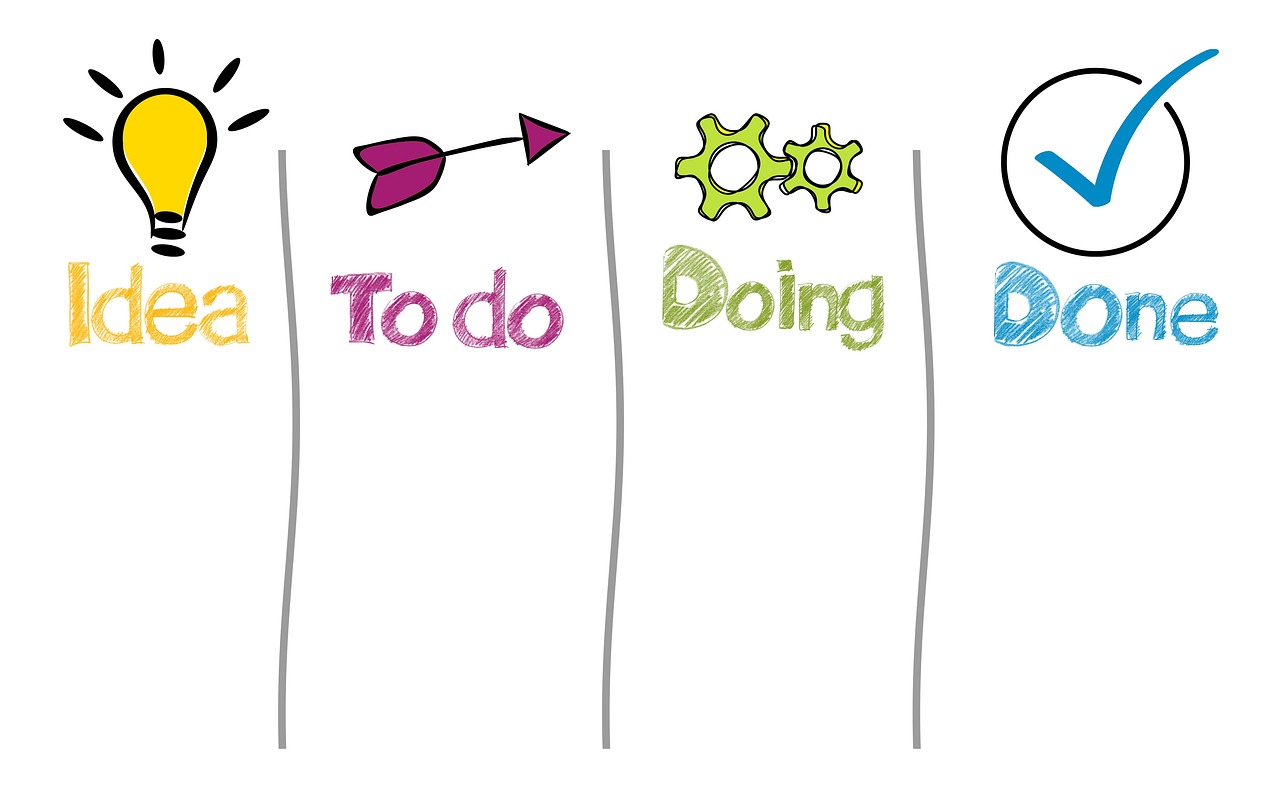
As small marketing teams and solo marketers increasingly rely on AI tools like ChatGPT, setting up an efficient AI workspace is crucial for productivity. Delegating repetitive tasks to AI can free up time for creative strategy and high-leverage activities. By implementing a well-structured AI workspace, marketers can amplify their capabilities and achieve more with less effort.
According to recent data, 75% of marketing organizations now use at least one form of AI, and CMOs allocate 15.3% of their marketing budgets to AI initiatives . This trend is expected to continue, with the global AI marketing market reaching $57.99 billion in 2026, growing at a 37.2% CAGR from $6.46 billion in 2018 . As AI adoption becomes more widespread, it's essential to establish a streamlined workflow that maximizes the potential of these tools.
The Steps to Streamlining AI-Powered Marketing Workflows
- Assess your current marketing workflow and identify areas where AI can be integrated
- Choose the right AI marketing tools for your needs, such as Dathent's AI marketing operating system
- Set up and configure your AI tools to automate repetitive tasks and workflows
- Monitor and optimize your AI-powered workflows to ensure maximum efficiency and effectiveness
Before You Ship: Checklist for AI-Powered Marketing Workflows
- Define clear goals and objectives for your AI-powered marketing workflow
- Ensure seamless integration with your existing marketing stack
- Establish a system for monitoring and optimizing AI performance
- Develop a plan for addressing potential errors or biases in AI decision-making
What are the benefits of using AI in marketing?
How can I ensure the quality of AI-generated content?
Can AI replace human marketers?
Try Dathent's AI Marketing Operating System
Dathent's AI marketing operating system can help you streamline your AI-powered marketing workflow, automate repetitive tasks, and amplify your marketing capabilities. With Dathent, you can set up a well-structured AI workspace in minutes and start achieving more with less effort.
Sign up for DathentSource: socialmediaexaminer.com


