What Microsoft’s Legal Battle with The New York Times Means for AI Content Use
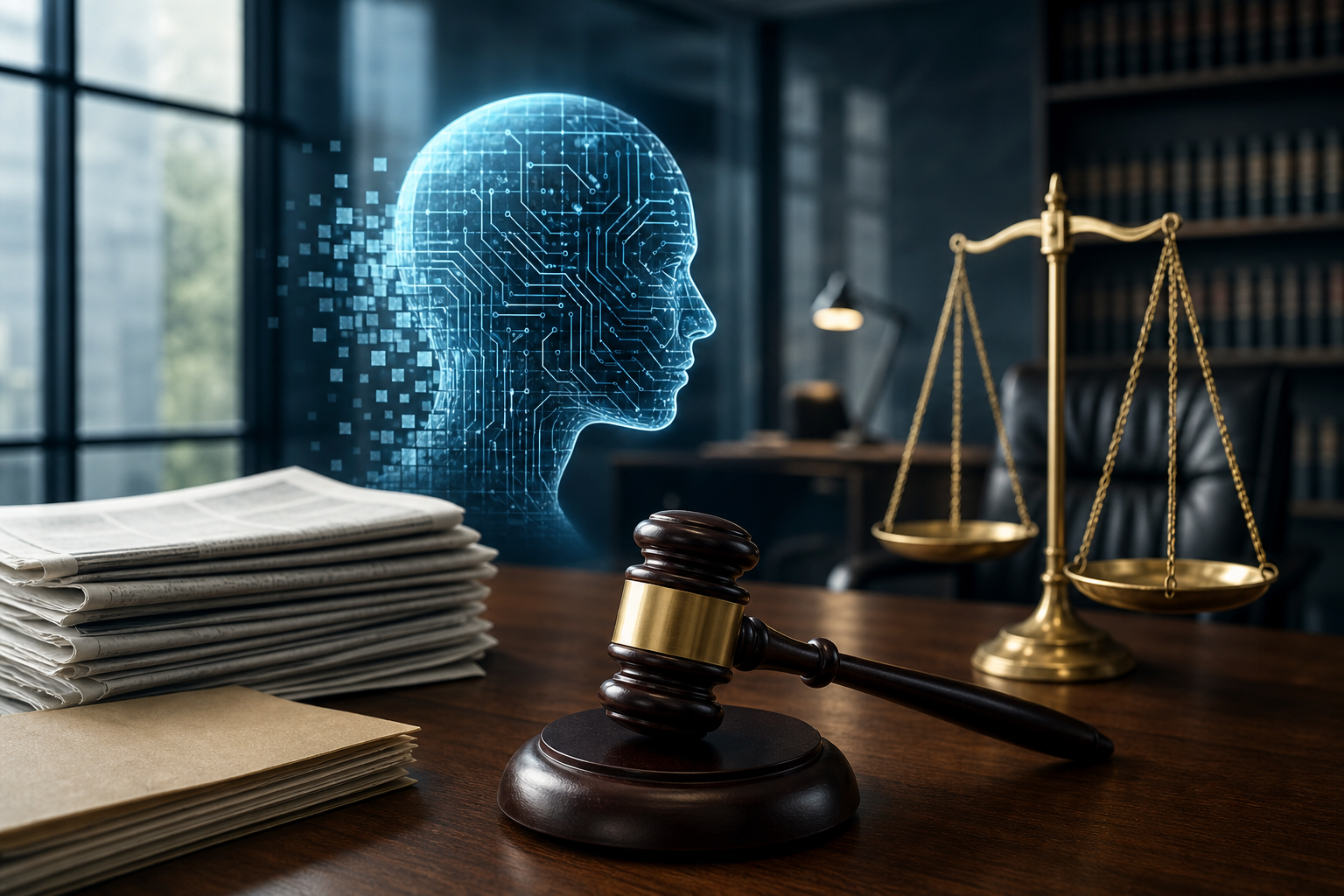
Microsoft’s ongoing legal battle with The New York Times over Copilot’s use of news content is more than a high-profile copyright spat—it’s a wake-up call for founders and marketers using AI for content creation. As generative AI becomes central to marketing, understanding the shifting legal boundaries around sourcing, attribution, and copyright is critical to avoid costly missteps.
The Core of the Microsoft–NYT Dispute
At the heart of this dispute is whether Microsoft Copilot, and generative AI tools like it, unlawfully reproduce copyrighted news articles in their outputs. The company has even extended its Copilot Copyright Commitment, promising to defend and indemnify commercial customers against copyright claims—so long as they use the built-in safeguards and don’t intentionally generate infringing content. Still, concerns from publishers and ongoing lawsuits highlight how unsettled the legal terrain remains for AI-powered content creation.
How Prevalent Is AI-Created Content in Publishing?
Recent research found that more than 9% of all news in U.S. newspapers now contains at least some AI-generated text, with smaller local outlets relying far more heavily on AI than major national publications. Yet, AI use is rarely disclosed to readers, raising additional concerns about transparency and trust. For marketers, this signals both the pervasiveness of AI tools and the heightened scrutiny around their use in content workflows.
- Major daily papers (>100k circulation)1.7
- Other papers9.3
- Overall average9.1
Copyright Risks and Legal Uncertainty for AI Content
The Microsoft–NYT case is only one of many legal battles over generative AI and copyright. Courts in the US and elsewhere are grappling with whether AI outputs infringe on the rights of content creators, and where the line is drawn between fair use, inspiration, and outright copying. For marketing teams, this means that using AI to generate or summarize content—especially from news or copyrighted sources—requires caution. Best practices include never publishing AI-generated material that closely mirrors or copies protected works, always crediting sources, and leveraging tools that embed compliance guardrails. Platforms like Dathent, for example, automate source attribution and provide compliance options, making responsible AI content use easier for lean teams.
Best Practices for Marketers Using Generative AI
To navigate this changing landscape, marketers should: (1) use AI tools with built-in copyright guardrails and filters, (2) avoid requesting or publishing outputs that replicate substantial portions of original works, (3) ensure transparent attribution for any sourced content, and (4) stay updated on evolving legal standards and platform commitments. Microsoft’s Copilot Copyright Commitment offers some protection for commercial users, but only if the product’s safeguards are followed and the user avoids intentional infringement. For small teams, adopting a platform like Dathent can simplify this process by automating compliance checks and documentation, letting you focus on creative strategy instead of legal headaches.
What does Microsoft’s Copilot Copyright Commitment actually cover?
How common is AI-generated content in news media?
What are best practices for marketing teams using AI content tools?
Does AI-generated content need to be disclosed to audiences?
Dathent: Content Creation with Built-In Copyright Guardrails
Dathent automates on-brand content generation, source attribution, and compliance checks across platforms. Set up your content workflow in minutes and let Dathent help you stay on the right side of evolving AI copyright standards—no legal team required.
Try Dathent Free- Introducing the Microsoft Copilot Copyright Commitment | Microsoft Community Hubtechcommunity.microsoft.com
- Microsoft announces new Copilot Copyright Commitment for customers - Microsoft On the Issuesblogs.microsoft.com
- AI-generated news content found in nearly 1 in 10 US articles | George Hopkin posted on the topic | LinkedInlinkedin.com
- Maryland Today | Report: AI Use in Newspapers Is Widespread, Uneven…today.umd.edu
- Research Study Uncovers Extent of AI-Created Content in American News and Opinion Pages | Newswisenewswise.com
- AI Court Cases | Copyright Alliancecopyrightalliance.org
- Generative AI – IP cases and policy tracker | Mishcon de Reyamishcon.com
- A Tale of Three Cases: How Fair Use Is Playing Out in AI Copyright ...ropesgray.com
- Update in Copilot Copyright Claim may affect Future Challenges of Artificial Intelligencelawreview.syr.edu
Source: theverge.com