Why AI-Generated Images Fall Short in Food Marketing (And How to Fix It)
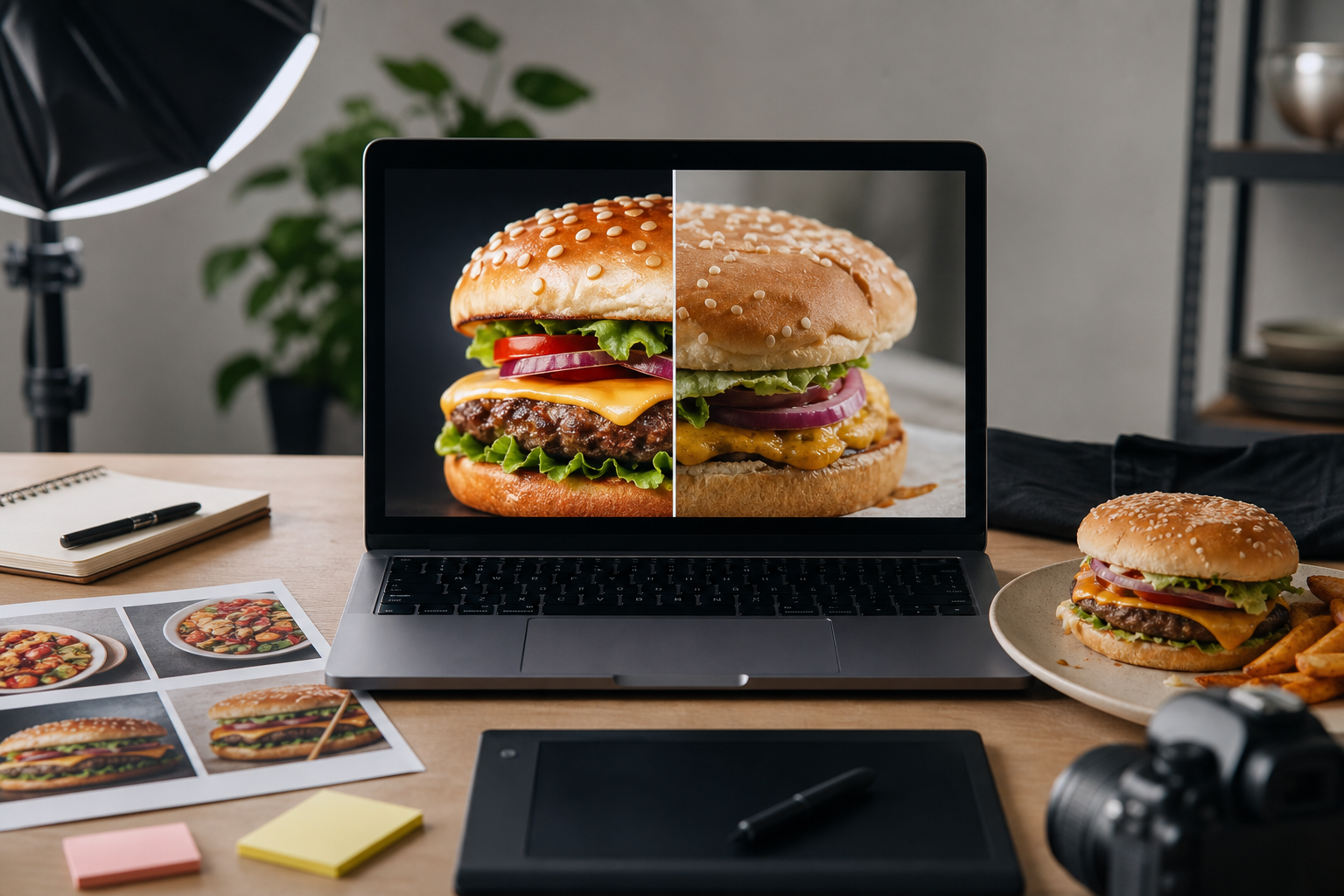
In the age of content automation, AI-generated food images are everywhere—from restaurant menus to social feeds. Yet, a growing wave of unappetizing, even bizarre visuals is causing concern for brands and marketers who rely on delicious-looking imagery to drive engagement and trust. For small teams and solo founders, the stakes are high: the wrong image can hurt your brand far more than it helps.
Why AI Struggles with Realistic Food Imagery
Despite rapid advances, AI image generation tools often produce food photos that look uncanny or outright unappealing. From tacos that seem drawn by someone who’s never eaten one, to pasta with plasticky textures or dishes with random, unnatural holes, these images are instantly off-putting to consumers. The root issue is that most generative AI tools synthesize fictional dishes from text prompts, rather than enhancing real photos. As a result, the food depicted may never have existed on any plate, leading to visuals that lack authenticity and appetizing appeal.
The Impact on Brand Perception and Trust
Consumer trust hinges on authenticity, especially in food marketing. Nearly 90% of consumers want brands to be transparent about the use of AI-generated images, and 98% say 'authentic' images are pivotal in establishing trust. Studies show that when consumers know a food image is real, its appeal increases significantly—while AI-generated images, when recognized, can actually diminish pleasure and heighten perceived risk. For small brands or restaurants, using obviously fake or misleading images can erode credibility and discourage purchases.
| Image Type | Consumer Appeal (if disclosed) |
|---|---|
| Real Food Image | High |
| AI-Generated Image | Low |
How Small Teams Can Use AI Image Tools More Effectively
For founders and lean marketing teams, the answer isn’t to abandon AI, but to use it thoughtfully. Instead of relying on generic AI generation for food photos, consider AI-powered enhancement tools that upgrade your real dish photos—improving lighting, color, and composition while keeping your actual food front and center. This approach lets you maintain authenticity and visual appeal without the need for expensive photography. Platforms like Dathent make it easy to organize, enhance, and publish your food visuals across social channels, ensuring your content stays on-brand and appetizing.
Best Practices for Food Visuals in Social Media Marketing
To maximize engagement and trust, combine authentic food photography with strategic use of AI. Always disclose when images are AI-generated, especially in high-trust industries or when showcasing actual menu items. Use AI to enhance real photos, not replace them. And remember: consistency in style and quality across your content calendar matters more than chasing trends. With the right workflow, even small teams can deliver mouthwatering visuals that build credibility and drive results—something you can set up in minutes with Dathent.
"For restaurants selling real food to real people, enhancement is almost always the right call. It's the difference between marketing your real menu and marketing a fantasy."FoodShot AI
Why do AI-generated food images often look unappetizing?
How do AI-generated food images affect brand perception?
Can AI still help small teams create better food visuals?
Should I disclose if an image is AI-generated?
How can I streamline content creation and publishing for food marketing?
Create Authentic, On-Brand Visuals with Dathent
Dathent helps founders and small teams automate market research, content planning, and social publishing—while ensuring your food visuals stay authentic and appealing. Upload real photos, enhance them with AI, and publish everywhere with ease. Sign up in minutes and see how effortless great food marketing can be.
Try Dathent Free- Ugly AI Food Photos Are Only the Beginning | WIREDwired.com
- AI Generated Food Images: Real vs Fake (What Restaurants Need) | FoodShot AIfoodshot.ai
- Nearly 90% of Consumers Want Transparency on AI Images finds Getty Images Report - Getty Imagesnewsroom.gettyimages.com
- Assessing the visual appeal of real/AI-generated food imagessciencedirect.com
- The influence of AI-generated versus real food images on perceived ...emerald.com
Source: theverge.com