Adapting to Shifting Consumer Trends: Lessons for Small Marketers
The decline in alcohol consumption, particularly among younger generations, is reshaping the beverage industry landscape. This shift compels midsize brewers and beverage brands to rethink their marketing strategies and product offerings to remain relevant. For small marketing teams, this evolving consumer behavior underscores the critical need for adaptability — pivoting quickly to align with changing preferences through data-driven and agile marketing approaches.
The percentage of U.S. adults who report consuming alcohol has dropped from highs of around 68% in the late 1990s to a record low of 54% in 2024, a trend fueled by growing health concerns and changing attitudes toward drinking.
Driver 1: The Rise of Health-Conscious and Mindful Drinking
Younger generations, particularly Gen Z, are drinking less alcohol due to health concerns, a shift toward holistic wellness, and movements such as “Dry January” and mindful drinking. This demographic tends to prioritize beverages that support health and sustainability, leading to a decline in traditional alcohol consumption and a surge in interest in nonalcoholic and low-proof options.
Driver 2: Changing Consumer Preferences and Market Opportunities
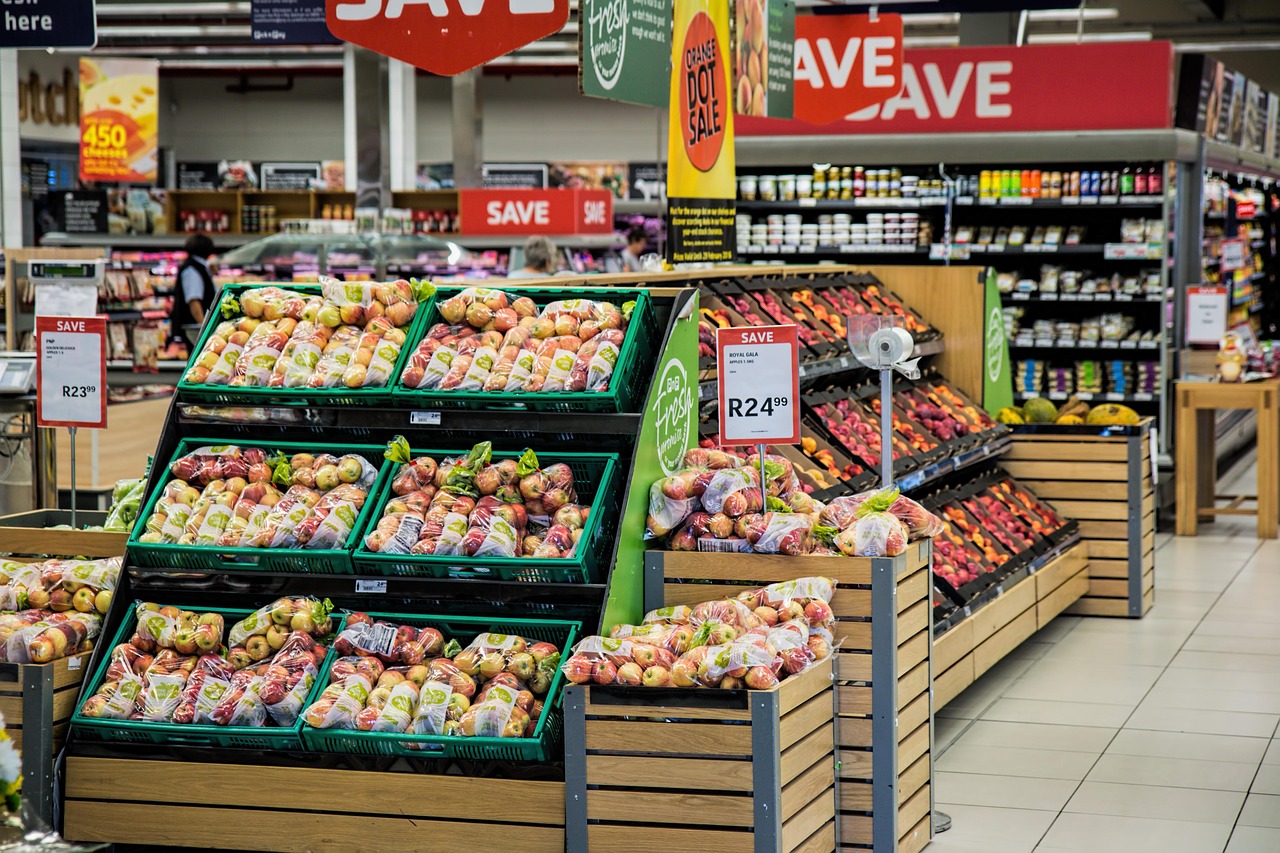
As consumers visit convenience stores primarily for beverages, more than 80% of shoppers make quick beverage purchases driven by habit and preference. This highlights the importance of meeting consumers where they are, offering convenient, tailored beverage options that resonate with evolving tastes and values. Small marketers can learn from this by focusing on convenience, personalization, and aligning products with consumer values.
Driver 3: Embracing Agile, Data-Driven Marketing Strategies
In a shifting marketplace, agility and data-driven decision-making are essential for small marketing teams. Leveraging AI-powered marketing platforms enables teams to quickly analyze consumer data, automate content creation, and optimize social media campaigns. This approach allows small businesses to execute sophisticated marketing strategies with limited resources, maintaining consistent engagement and staying ahead of consumer trends without the need for large teams or extensive manual effort.
Why is alcohol consumption declining among younger generations?
How can small marketing teams adapt to shifting consumer trends effectively?
What role does content automation play in modern marketing strategies?
How important is social media marketing for small businesses today?
Adapting to shifting consumer trends requires both awareness and action. Small marketers who leverage AI marketing tools to automate and optimize their social media presence are better positioned to meet evolving customer needs. The ability to pivot quickly and execute data-driven strategies ensures sustained growth and relevance even as market conditions change.
Automate Your Marketing Strategy with Dathent
Dathent’s AI marketing operating system helps small teams research market trends, generate on-brand social content, plan content calendars, and auto-publish across Instagram, X, LinkedIn, TikTok, and more — all with minimal time investment. Stay ahead of consumer shifts and keep your marketing agile and effective.
Start Your Free Trial- U.S. Drinking Rate at New Low as Alcohol Concerns Surgenews.gallup.com
- Beverage Trends Hospitality Professionals Should Watch in 2026insights.ehl.edu
- Why Gen Z Is Drinking Lesstime.com
- Alcohol and health: reviewing recent data, trends | Northwell Healthnorthwell.edu
- Westrock Coffee Publishes Industry Report on Convenience Store Beverage Trendsfinance.yahoo.com
- 8 Best AI Marketing Automation Tools for Small Businesses in 2026simular.ai
- 8 AI Tools for Small Business Growth in 2026 | Dialpaddialpad.com
Source: marketingdive.com